Your subscriber is no longer first to read your email
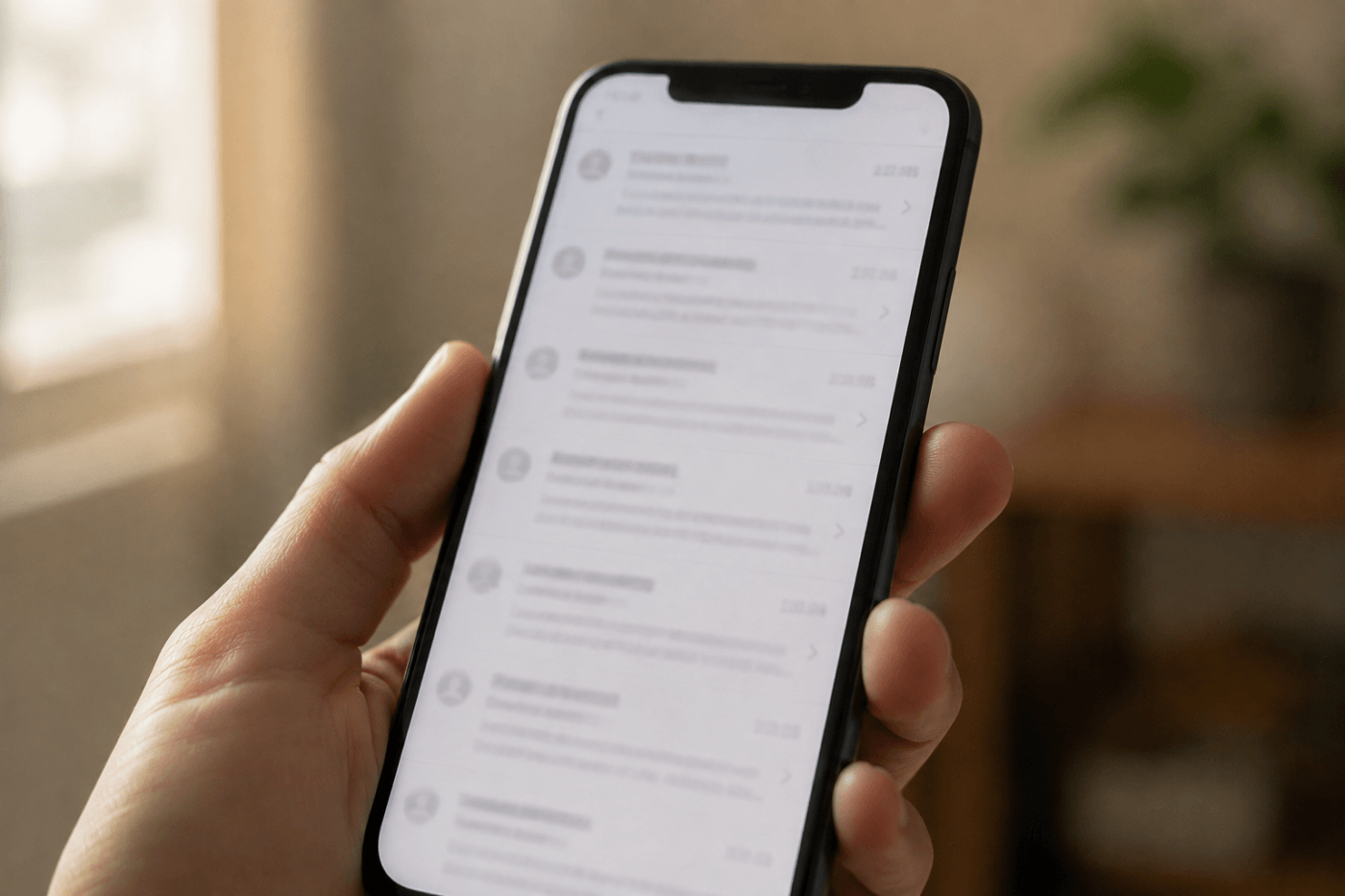
Open your inbox and something has already changed. Gmail does not just display a subject line anymore. Google Gemini summarizes the email, prioritizes it against everything else in the inbox, and in some cases rewrites what the recipient sees before they ever click. AI reads your email first. Your subscriber reads it second, if at all.
This is not a story about chasing the newest AI headline. It is an infrastructure story. The structural discipline that has made email accessible for years, semantic markup, genuine alt text, clear content hierarchy, is exactly what AI systems need to process an email correctly. The brands that built their programs on that foundation are already ahead. The ones that did not are now facing a problem that goes beyond deliverability.
André Görmer, who chairs the BVDW Working Group Email, has been building this case across three publications over the past several months. Read together, they make a single, clear argument: accessibility is becoming AI readiness, and the window to act is now.
The inbox has a new gatekeeper
Summarization and prioritization are not a future roadmap item. They are live, in the world’s largest inbox, right now. When Gemini processes an email, it does not see your carefully designed hero image or your on-brand color palette. It reads the underlying structure: the HTML semantics, the alt text, the heading hierarchy, the link labels. If those elements are missing or poorly formed, the AI produces a summary that misrepresents the content, or skips it entirely.
The consequences are direct. A promotional email with no real alt text, vague link labels like ‘click here,’ and a flat HTML structure gives Gemini almost nothing to work with. The subscriber gets a summary that does not reflect the offer. Or the email gets deprioritized against a competitor whose program is structured correctly. Neither outcome is acceptable when email remains one of the highest-return channels in the marketing mix.
The mechanism here matters. AI systems do not interpret intent. They read signals. Every structural choice in your email template is a signal, and right now most programs are sending the wrong ones.
What the research actually shows
The BVDW publication on accessibility and AI readiness draws the line plainly: the better structured your content, the more accurately AI systems can process it. Accessibility stops being a compliance checkbox. It becomes the foundation AI reads from. This is not a theoretical position. It is observable behavior in how current AI inbox tools handle well-structured versus poorly structured HTML.
The Digital Business Magazin analysis of AI in email marketing reinforces this from the commercial side. AI improves targeting, timing, and personalization at scale, but only when it sits on top of clean data and genuinely accessible design. Bolting AI onto a messy program does not fix the program. It amplifies the mess. The structural work has to come first.

What AI-ready email actually looks like
Gemini readiness is not a new discipline. It is the application of existing best practice, applied with the understanding that AI is now a reader, not a future possibility. The Mapp Gemini Readiness Guidelines for HTML emails translate this into concrete specifications that any team can act on this quarter.
The core signals AI reads correctly when you get this right
- Semantic HTML structure: proper use of heading tags, paragraph elements, and table roles so the content hierarchy is machine-readable, not just visually implied.
- Real alt text: descriptive, specific alternative text for every image that carries meaning. Not 'image001.jpg.' Not empty. A sentence that tells the AI what the image communicates.
- Sufficient color contrast: a minimum 4.5:1 ratio for body text, 3:1 for large text, ensuring the content is readable by both assistive technology and AI parsing tools.
- Descriptive link labels: every call-to-action tells the reader and the AI what clicking it does. 'Shop the collection' over 'click here.' 'Download the report' over 'learn more.'
- Clear content hierarchy: a single, identifiable primary message per email, with supporting content structured so it reinforces rather than competes with the main point.
None of these are novel requirements. They have been the standard for accessible email design for years. What has changed is the audience that depends on them. Disabled users and screen readers were the original reason these practices matter. AI inbox assistants are now a second audience with identical structural requirements and far greater reach.
Why treating this as optional is a risk you cannot afford
Email marketing teams are used to optimizing for open rates and click-through rates. Those metrics assume the subscriber decided to engage. AI mediation introduces a step before that decision. The summary Gemini generates, the priority rank it assigns, and the inbox placement it influences all happen before the subscriber makes any conscious choice. If your email loses at that stage, the open rate never gets a chance to matter.
This is the part most programs are not accounting for. Deliverability investments, sender reputation work, and subject line testing are valuable. They are also insufficient on their own if the underlying structure gives AI nothing useful to read. The brands that recognize this now will maintain visibility as AI mediation deepens. The ones that wait will find their carefully crafted campaigns summarized poorly or deprioritized systematically.
Mapp has been driving this conversation inside the industry, not reacting to it after the fact. The guidance published across BVDW, Digital Business Magazin, and the Mapp blog reflects the same position: structural discipline is not optional, and it protects your program against changes that are already happening.
Where your program stands today
Knowing the problem exists is not the same as knowing where your program sits relative to it. The AI-Ready Email Fit Check is a 12-point self-assessment covering structure, accessibility signals, content clarity, and testing. It produces a score that shows you exactly where your program is strong and where it is exposed. It is built for every vertical. The AI reading your email does not care what industry you are in.
If you want a full picture rather than a self-assessment, Mapp’s email deliverability and AI-readiness experts will run a complete audit of your program at no charge. The gaps in most programs are identifiable and fixable. The question is whether you find them before AI does.
Talk to the team about your AI readiness ›


 Clients
 Partners
 About us





 DE
DE